Proper insulation is a key component in ensuring your home is energy-efficient, comfortable, and cost-effective. Insulation helps maintain a stable indoor temperature by reducing the transfer of heat, which in turn can significantly lower heating and cooling costs.
However, insulating a house involves more than just stuffing some fibreglass into walls. It requires a thorough understanding of where to insulate, what materials to use, and how to address common challenges. This blog post will guide you through the essential steps to properly insulate your house.
Understanding Insulation and R-Values
Before diving into insulation, it’s important to understand R-values – a measure of insulation’s ability to resist heat flow. The higher the R-value, the better the insulation’s effectiveness.
Your geographical location plays a significant role in determining the appropriate R-value for your home. For example, homes in colder climates will benefit from higher R-values. Check local building codes for recommended R-values in your area.


Assessing Your Home’s Insulation Needs
Start with an energy audit to assess the current insulation levels in your house and identify areas where insulation is lacking. Common places that need insulation include the lofts, walls, floors, basements, and crawl spaces.
Pay special attention to the loft, as a significant amount of heat can escape from the top of a house.
Choosing the Right Insulation Material
There are several types of insulation materials, each with its own advantages and applications:
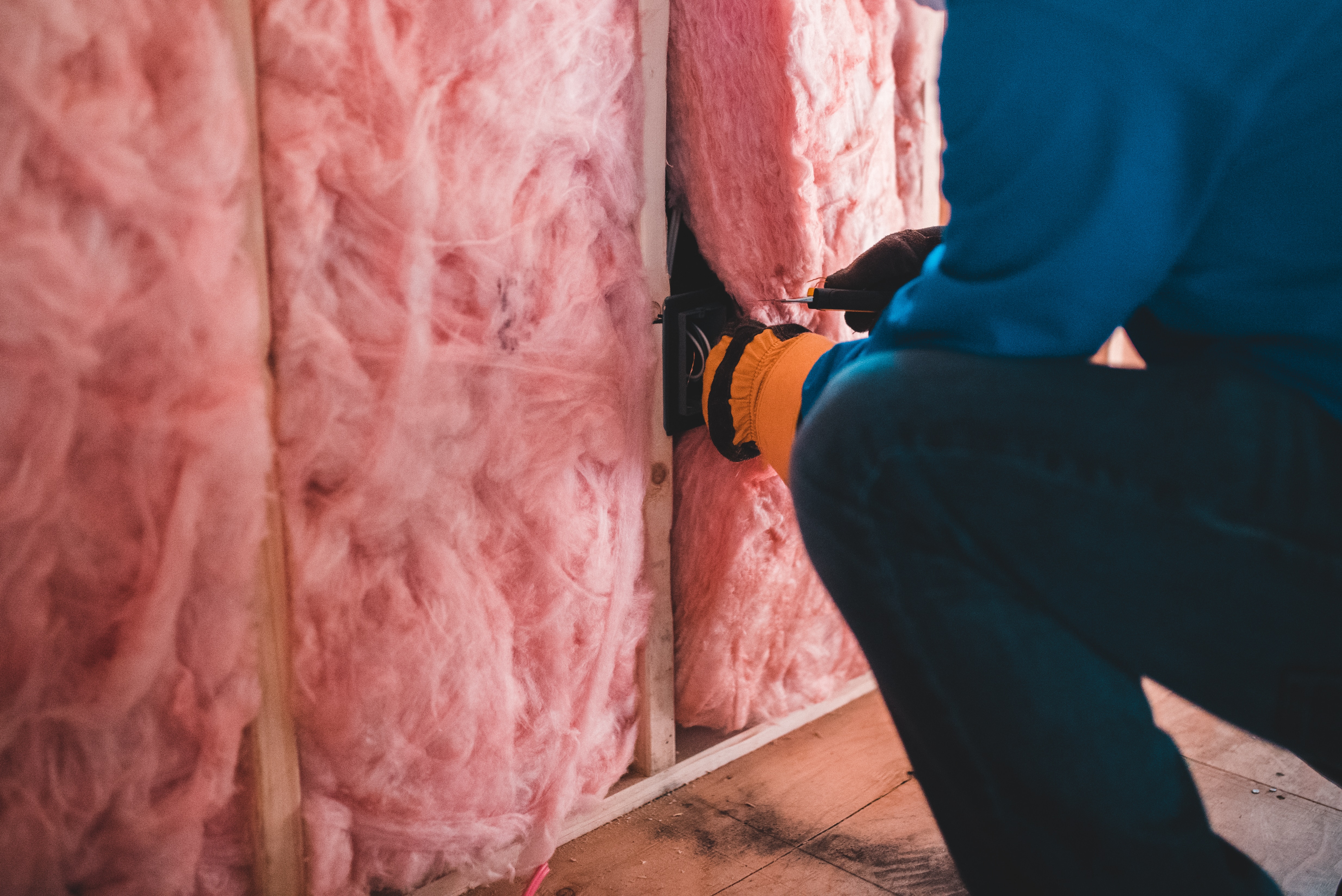
- Fibreglass: Widely used, affordable, and easy to install but requires safety precautions during installation.
- Cellulose: An eco-friendly option made from recycled paper, it’s effective for filling in spaces and gaps.
- Foam Board: Rigid panels of insulation that can be used to insulate almost any part of your home, from the roof down to the foundation.
- Spray Foam: Expands to fill cracks and gaps, providing an airtight seal. It’s excellent for hard-to-reach areas but generally more expensive.
Insulating Different Areas of Your Home
Loft:
This is often the most cost-effective place to add insulation. Make sure to seal any air leaks before adding insulation. If using fibreglass, lay the batts perpendicular to the joists.
Walls:
Adding insulation to walls can be more challenging, especially in existing homes. For new construction, consider using insulated concrete forms or structural insulated panels. In existing homes, blown-in cellulose or injection foam insulation can be used.
Floors and Basements:
Insulating under floors can make your home more comfortable. Use foam board or batt insulation under the flooring. Basements can be insulated internally or externally with rigid insulation panels.
Hiring a Professional vs. DIY
While some insulation projects can be DIY, hiring a professional is often the best choice for more complex tasks, like insulating walls or using acrylic glue. Professionals can ensure that the insulation is installed correctly and safely, especially important when dealing with fibreglass or when insulating hard-to-reach areas.
Properly insulating your home is a wise investment that can lead to significant energy savings and improved comfort. By understanding your insulation needs, choosing the right materials, and effectively targeting key areas of your home, you can enhance its energy efficiency. Remember to consider professional help for complex projects and always prioritise ventilation and moisture control to maintain the effectiveness of your insulation. With these steps, you can enjoy a cosier, more energy-efficient home.
ChrissyJ xxx
Follow me on Social Media just click to go straight to my profile
Or join my mailing list below – We promise not to share your information and only contact you with information related to my blog and posts







Let me know your thoughts! Cancel reply