Dental emergencies can occur at any time, often without warning, and the pain and discomfort they cause can be debilitating. Whether it’s a severe toothache, a knocked-out tooth, or a dental abscess, timely intervention is crucial to alleviate pain, prevent further damage, and preserve oral health. This is where the role of an emergency dentist becomes invaluable. This article explores the importance of emergency dentists, the types of dental emergencies they handle, and tips for managing dental crises.
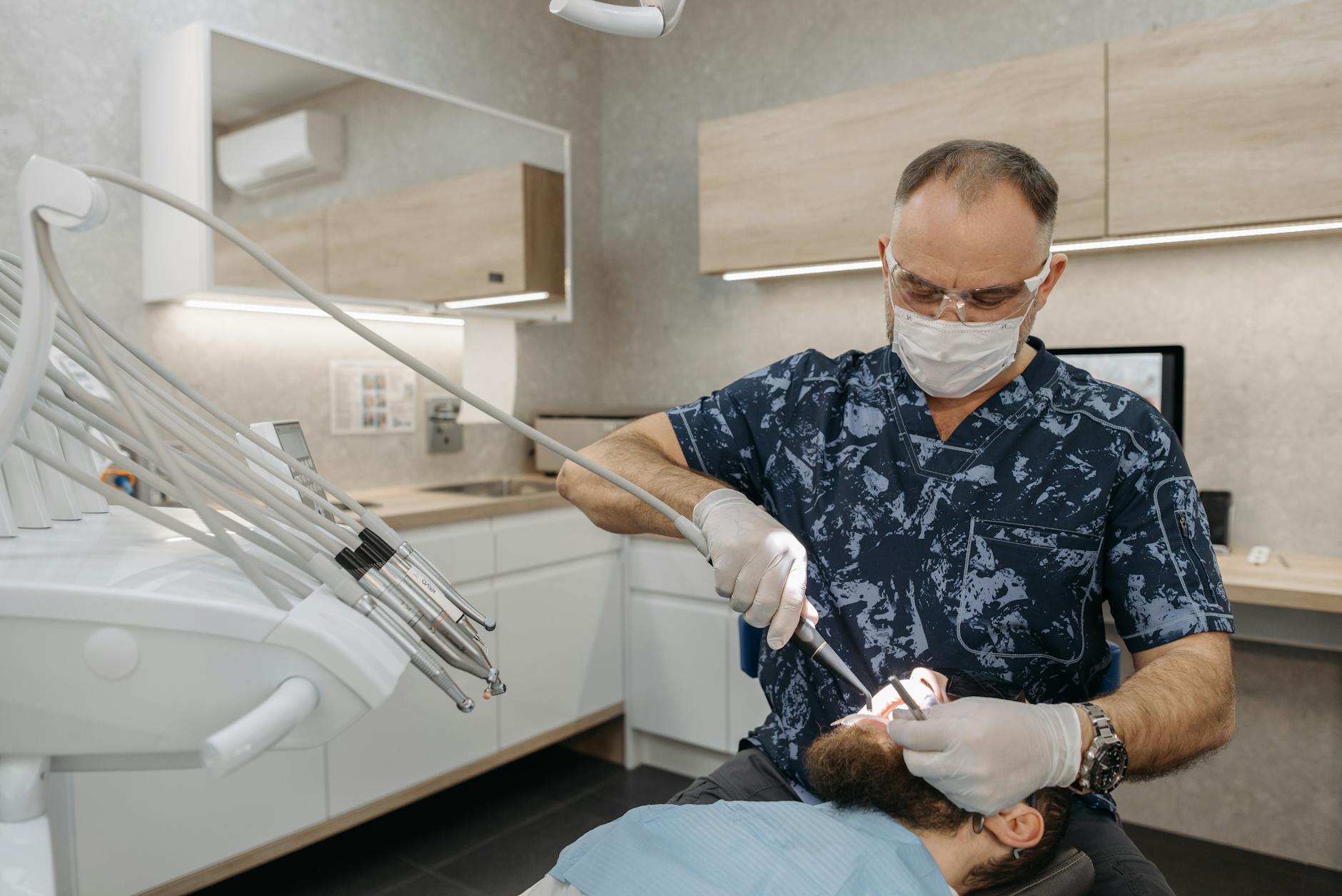
The Role of an Emergency Dentist
An emergency dentist is a dental professional who provides immediate care for urgent dental issues. Unlike regular dentists, who usually operate on an appointment basis, emergency dentists are available to handle acute dental problems that require prompt attention. Their primary goal is to provide relief from pain, stabilise the condition, and implement measures to prevent long-term damage.
Key Responsibilities of an Emergency Dentist:
- Pain Relief: The foremost priority in any dental emergency is to alleviate pain.
Emergency dentists are equipped to diagnose the cause of pain and provide
appropriate treatment, whether it’s through medication, procedures, or other
interventions. - Immediate Treatment: Emergency dentists are skilled in performing urgent
dental procedures, such as tooth extractions, temporary fillings, and repairs
for broken or chipped teeth. - Preventing Further Damage: By addressing the dental issue promptly,
emergency dentists help prevent the problem from escalating, which can save
patients from more extensive and expensive treatments in the future. - Providing Guidance: In addition to immediate care, emergency dentists offer
advice on follow-up care and preventive measures to avoid similar issues in
the future.

Common Dental Emergencies
Understanding common dental emergencies can help you identify when to seek the services of an emergency dentist. Here are some scenarios that typically require urgent dental care:
- Severe Toothache: Persistent and severe tooth pain can indicate various
issues, such as an infection, decay, or an abscess. An emergency dentist can
diagnose the cause and provide relief through appropriate treatment. - Knocked-Out Tooth: Losing a tooth due to trauma is a dental emergency that
requires immediate attention. If the tooth is handled properly and reinserted
quickly by an emergency dentist, there is a chance it can be saved. - Broken or Chipped Tooth: Accidents can cause teeth to break or chip.
Depending on the severity, an emergency dentist can provide temporary or
permanent solutions to restore the tooth’s function and appearance. - Dental Abscess: An abscess is a serious infection that occurs at the root of a
tooth or in the gum. It can cause severe pain, swelling, and fever. Prompt
treatment by an emergency dentist is crucial to prevent the infection from
spreading. - Lost Filling or Crown: Losing a filling or crown can leave the affected tooth
vulnerable to damage and infection. Emergency dentists can provide
temporary or permanent replacements to protect the tooth. - Injury to Soft Tissues: Injuries to the gums, lips, or tongue that result in
bleeding and swelling need immediate care to prevent infection and promote
healing.
The Importance of Timely Intervention
Delaying treatment for dental emergencies can lead to complications, increased
pain, and more extensive damage. Here’s why timely intervention by an emergency
dentist is crucial:
- Pain Management: Immediate treatment can provide rapid relief from
excruciating pain, improving the patient’s quality of life. - Preventing Infection: Many dental emergencies, such as abscesses, can
lead to serious infections that can spread to other parts of the body. Early
treatment helps contain and eliminate the infection. - Saving Teeth: Quick action can often save teeth that might otherwise be lost.
For example, a knocked-out tooth can sometimes be reimplanted if treated
within an hour. - Minimising Costs: Addressing dental issues promptly can prevent the need
for more complex and expensive treatments later on.

Tips for Managing Dental Emergencies
Knowing how to handle a dental emergency until you can see an emergency dentist
can make a significant difference. Here are some tips:
- Toothache: Rinse your mouth with warm water and use dental floss to
remove any trapped food. Avoid using aspirin on the aching tooth as it can
burn the gum tissue. Over-the-counter pain relievers can help manage the
pain until you see the dentist. - Knocked-Out Tooth: Handle the tooth by the crown, not the root. Rinse it
gently if it’s dirty, but do not scrub it. Try to reinsert the tooth into its socket if
possible. If not, keep it moist in milk or a saline solution and see an
emergency dentist in Basingstoke immediately. - Broken Tooth: Rinse your mouth with warm water and apply a cold compress
to reduce swelling. Collect any broken pieces of the tooth if possible. - Abscess: Rinse your mouth with a mild saltwater solution to reduce pain and
draw the pus to the surface. Seek immediate care from an emergency dentist. - Lost Filling or Crown: You can use dental cement or a piece of sugarless
gum to temporarily cover the exposed area. Avoid chewing on the affected
side until you get to the dentist.
ChrissyJ xxx
Follow me on Social Media just click to go straight to my profile
Or join my mailing list below – We promise not to share your information and only contact you with information related to my blog and posts



Let me know your thoughts!Cancel reply