Schools are more than just places of education — they’re environments where children grow, socialise, and discover their potential. To support this, schools need to provide more than just good teaching. They need spaces that inspire learning, support wellbeing, and adapt to modern demands.
Improving schools doesn’t always mean major building works or costly overhauls. In many cases, it’s about smart, targeted investments that enhance everyday experiences for pupils, staff, and parents alike. From outdoor enhancements like school canopies to upgrades in technology, layout, and safety, here are several ways schools can improve the learning environment and outcomes for all.
1. Making the Most of Outdoor Space
Outdoor learning and play have a significant impact on a child’s development — from improving concentration and physical health to encouraging creativity and reducing stress. However, the British weather isn’t always cooperative. That’s where school canopies come in.
Installing a canopy provides covered outdoor space that can be used all year round. Whether it’s for lessons, lunchtime, or after-school activities, these structures create flexible zones that protect pupils from rain and excessive sun while encouraging fresh-air learning. They’re particularly useful for early years and primary settings but are equally beneficial in secondary schools where breakout areas or outdoor dining spaces are in demand.
Modern school canopies come in various sizes and designs — from entrance shelters and walkway covers to large, all-weather outdoor classrooms. Not only do they improve functionality, but they can also enhance the school’s appearance and make a strong impression on visitors and prospective families.
2. Investing in Learning Environments
The design and condition of classrooms have a measurable effect on academic performance. Research shows that factors such as lighting, temperature, colour, and air quality can influence a student’s ability to concentrate and retain information.
Schools looking to improve should start by assessing the basics — are classrooms well-lit? Is the furniture ergonomic and suitable for different age groups? Are displays updated regularly to reflect current learning and celebrate achievements?
Simple changes like adding more natural light, reducing clutter, or rearranging desks to encourage group work can have a big impact. For larger projects, investing in acoustic panels, modern flooring, or improved ventilation can create a calmer, more productive environment for both pupils and teachers.
3. Embracing Digital Learning
Technology has become an essential part of education, and schools that invest wisely in digital tools are better equipped to engage students and support diverse learning styles. Interactive whiteboards, tablets, online learning platforms, and cloud-based collaboration tools all help bring lessons to life.
Equally important is the infrastructure behind the scenes — reliable Wi-Fi, charging stations, and cybersecurity measures ensure technology enhances rather than disrupts the learning experience.
Teacher training is also key. When staff are confident using digital resources, they’re more likely to experiment, innovate, and make full use of the tools available.
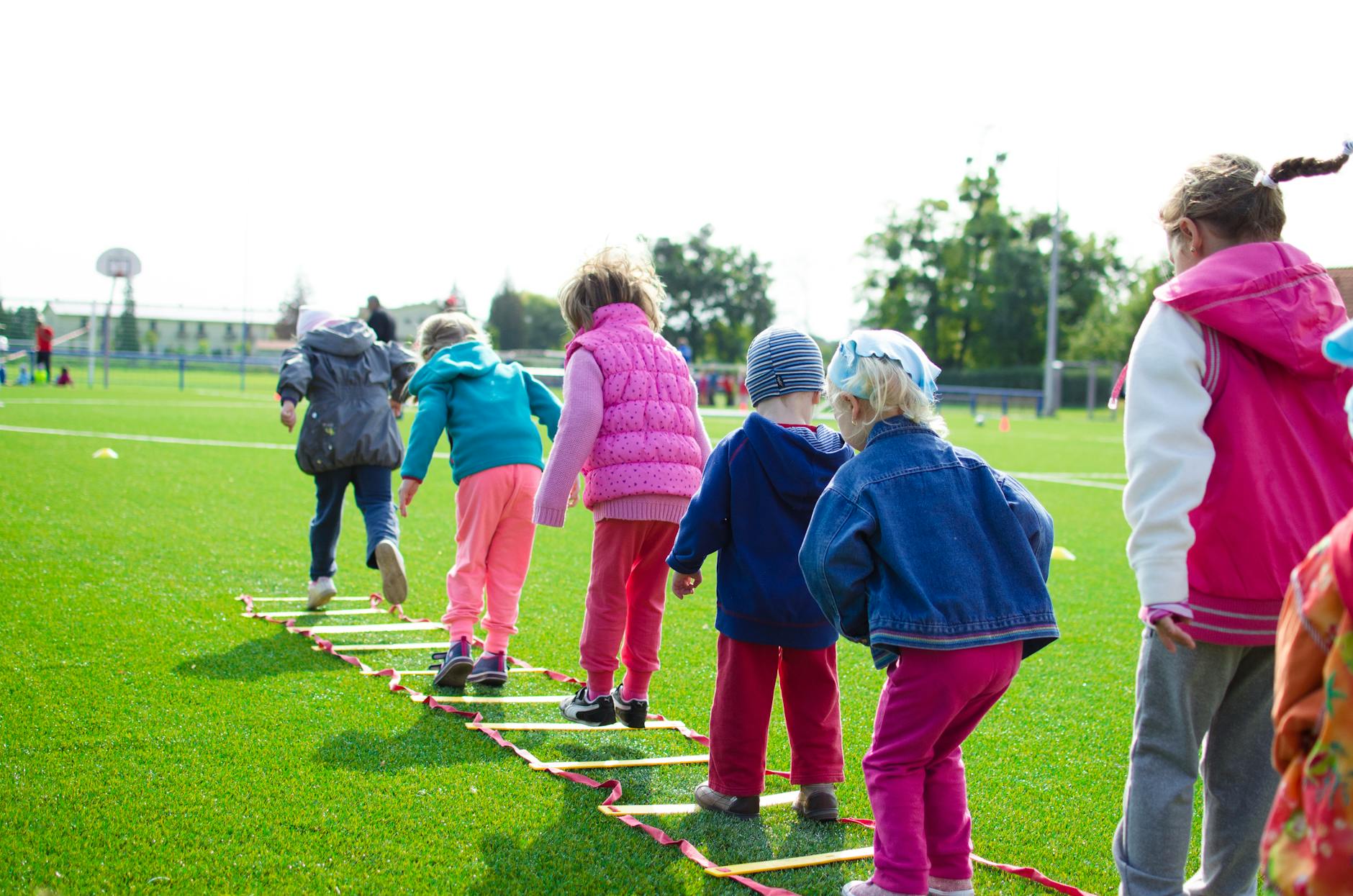
4. Supporting Wellbeing
Improving a school isn’t just about facilities — it’s also about fostering a positive culture. That means providing support for mental health, encouraging respectful behaviour, and creating safe spaces for students to talk and be heard.
Schools might consider setting up quiet rooms, peer mentoring programmes, or regular wellbeing check-ins. Training staff in mental health first aid or conflict resolution also ensures pupils feel supported and understood.
Even physical improvements — such as creating shaded outdoor areas with school canopies or improving playground design — can promote better social interaction and reduce behavioural issues.
5. Community Engagement
A thriving school is often at the heart of its community. Encouraging parental involvement, local partnerships, and community use of school facilities helps build positive relationships and reinforces the value of education.
This could include opening sports halls or outdoor areas to local groups, hosting parent workshops, or simply improving communication through newsletters, apps, and noticeboards.
ChrissyJ xxx



Let me know your thoughts!Cancel reply