Smart Ways to Handle Seasonal Items in Small Homes
Changing seasons often bring a shift in household needs. Warm weather calls for picnic gear and camping supplies, while colder months mean coats, blankets, and festive decorations. For those living in small homes, these changes can create a recurring dilemma, such as how to store the off-season items without creating unnecessary clutter. If your cupboards are already at capacity, finding clever ways to manage the seasonal cycle becomes essential for maintaining a comfortable and tidy home.
Why Seasonal Items Present Challenges in Compact Homes
Small UK homes, especially in city settings, are often short on dedicated storage space. When you’re dealing with winter coats, holiday lights, or gardening tools, every inch counts. Bulky or infrequently used items can overrun available areas, turning neatly kept rooms into chaotic storage zones. It’s easy for belongings to get crammed into wardrobes or corners, leading to misplaced items or even damage from poor storage conditions.
As space fills up, many families find themselves rotating boxes between rooms or packing items into unsuitable spaces. Soft furnishings may develop unpleasant smells, and fragile decorations risk getting broken. This constant shuffling of things not in current use can create frustration, especially when trying to retrieve something at short notice.
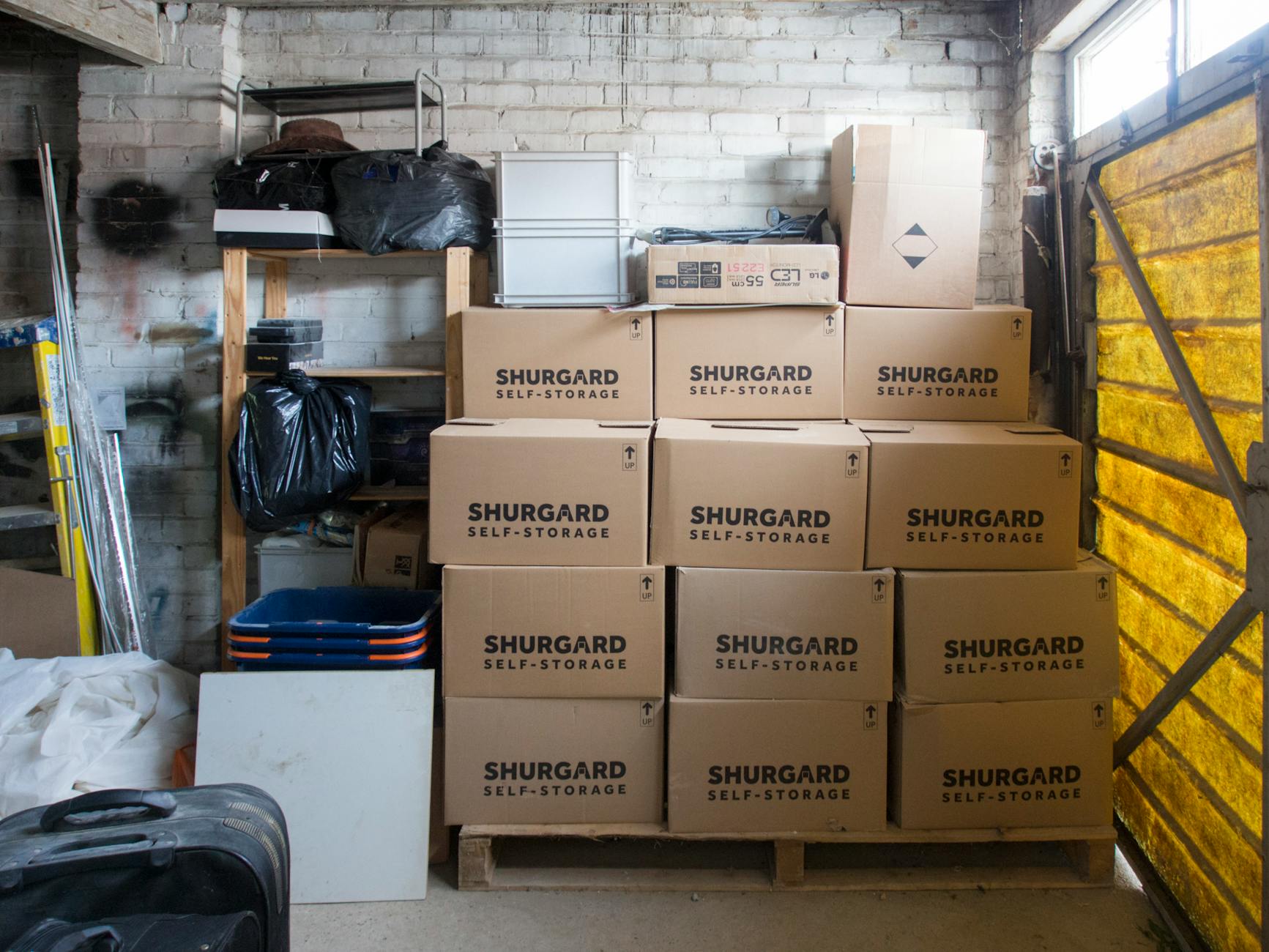
For those dealing with limited in-home capacity, external solutions may offer a practical lifeline. Options such as exploring storage prices from Shurgard provide a clear picture of what flexible external storage might cost, helping you make informed decisions when space at home becomes tight.
Smart In-Home Storage Ideas for Every Season
You don’t always need extra square footage to make seasonal transitions easier. With a little planning, even the most compact space can be made to work harder. Vacuum storage bags are an excellent starting point. They reduce bulky items like jumpers and blankets to a fraction of their original size. Properly sealed, they can be stashed in cupboards, wardrobes, or under furniture.
Under-bed containers are also effective. These shallow boxes slide neatly out of sight and are ideal for storing items you won’t need for months. Choose ones with wheels for easy access and consider versions with built-in dividers to keep everything organised.
Think vertically too. Install wall-mounted shelves or use the backs of doors to hang organisers. Pegboards in utility areas can hold seasonal tools or decorations in a tidy, visible way. If your furniture doesn’t pull double duty, consider upgrading. An ottoman with hidden compartments or a coffee table that opens up can make a big difference in what you can store discreetly.
How to Create a Practical Seasonal Rotation System
Having a structured approach to managing seasonal items makes the process feel less overwhelming. Aligning your storage schedule with the natural rhythm of the UK seasons, spring in March, summer in June, autumn in September, and winter in December, gives you set times to refresh your space and swap items.
Clearly labelling boxes ensures you won’t waste time digging through multiple containers. Use seasonal colour codes or add a brief list of contents on the front of each box. These little steps reduce stress when you need to quickly locate a scarf or garden tool.
Involving your household can make storage more efficient and less of a chore. Children can pack their own seasonal toys or decide what to keep for next year. Sharing the workload also helps build habits and encourages responsibility around organisation.
Knowing When External Storage Makes Sense
No matter how creative you get with home storage, sometimes it simply isn’t enough. If your living spaces are becoming overwhelmed or items are starting to degrade due to poor storage conditions, it may be time to look beyond your four walls.
Look for signs such as boxes encroaching on living areas, items becoming difficult to locate, or belongings being damaged. These indicators suggest your system needs support. In such cases, reviewing self-storage prices and comparing various providers can reveal worthwhile options that preserve both space and the quality of your belongings.
When considering your budget, take into account features like access hours, climate control, and unit size. Choosing a well-rated provider ensures you store seasonal items securely and cost-effectively.
Cost-Savvy Tips for External Storage Use
Renting storage doesn’t have to be a major expense. Sharing a unit with a friend or relative can significantly reduce monthly costs while still giving each party enough space for their items. This works especially well for rarely used belongings like festive decorations or sports equipment.
Look out for flexible rental terms. Many storage companies offer monthly rolling contracts, allowing you to rent only when you need the space. This is ideal for those who only require extra storage during certain parts of the year.
It’s also important to look beyond the headline rate. Some facilities include locks or insurance in their pricing, while others charge separately. Asking the right questions and reading the fine print helps you avoid unexpected charges and ensures you get good value.

Clearing Out Before Storing
A good declutter can make a big difference. Before packing away seasonal goods, take time to sort through everything. Only store items you know you’ll use again. If something hasn’t seen the light of day during its last season, it might be time to let it go.
Donating to local charities is a meaningful way to repurpose things you no longer need. Items such as outgrown coats, unused decorations, or garden accessories can benefit someone else and free up room in your storage space.
Alternatively, swap meets with friends or community members can help everyone refresh their seasonal collections without spending money. These small exchanges promote sustainability and keep clutter from building up again.
Teaching Seasonal Organisation to Children
Getting children involved in seasonal organisation not only teaches them life skills but also makes them feel part of the process. Assign simple tasks like grouping summer toys or packing away winter hats into labelled containers.
Turn the activity into a game or pair it with a reward. For example, watching a film together after everyone has helped tidy up creates a positive association with the task. Over time, this reinforces habits that contribute to a more organised household.
A visual progress chart or checklist can be especially helpful for younger children. It gives them something tangible to work towards and helps keep the process on track.
Managing seasonal items in a small home doesn’t have to be overwhelming. With a clear routine, thoughtful storage methods, and the option of using external space when needed, families can stay organised throughout the year.



Let me know your thoughts!Cancel reply