While frontline services often get the most attention, the behind-the-scenes work that ensures safety, functionality, and regulatory compliance is just as critical. From specialist training in aviation to routine checks on lifting equipment and facility upkeep in residential care, a wide range of industries depend on expert services to keep things operating to standard.
The Vital Role of Behind the Scenes at Care Homes
In the care sector, providing a safe, comfortable environment is about more than just clinical standards — the physical condition of the building matters deeply. Care home property maintenance encompasses everything from heating and lighting to fire safety systems and accessibility adaptations. These essential services help ensure that residents, many of whom may be vulnerable or have complex needs, are supported in a space that is both secure and dignified.
Scheduled preventative maintenance is particularly important in these settings. Regular checks can identify issues such as damp, faulty lifts, or electrical risks before they affect residents or disrupt services. In many cases, emergency repairs are also part of the offering, ensuring that any unexpected breakdowns are dealt with quickly to minimise inconvenience or hazard.
Maintenance providers in this field often require a deep understanding of sector-specific regulations, such as the Care Quality Commission (CQC) standards in the UK. A reliable maintenance strategy not only extends the life of a property but also supports positive inspection outcomes and boosts staff morale, knowing that the physical environment is properly looked after.
Ensuring Aviation Readiness
In the highly regulated world of aviation, safety and compliance depend on rigorous procedures — and well-trained personnel. Part 145 training refers to the education and certification required for organisations and individuals involved in the maintenance of aircraft under the European Union Aviation Safety Agency (EASA) or its UK equivalent post-Brexit.
This training is mandatory for those wishing to perform maintenance that is certified under a Part 145 approval, and it covers a wide range of essential topics: from human factors and airworthiness regulations to quality assurance and documentation control. Individuals who complete this training become eligible to work in maintenance roles that have a direct impact on aircraft safety.
Part 145 training is typically delivered by accredited institutions and may be offered in both classroom and online formats. For companies in the aerospace sector, investing in this training ensures that teams are not only legally compliant but also equipped to deliver work to the highest possible standards.
In a sector where even minor oversights can have major consequences, Part 145 training provides the foundation for ongoing safety, efficiency, and professional integrity.
Lifting Safety in Every Sector
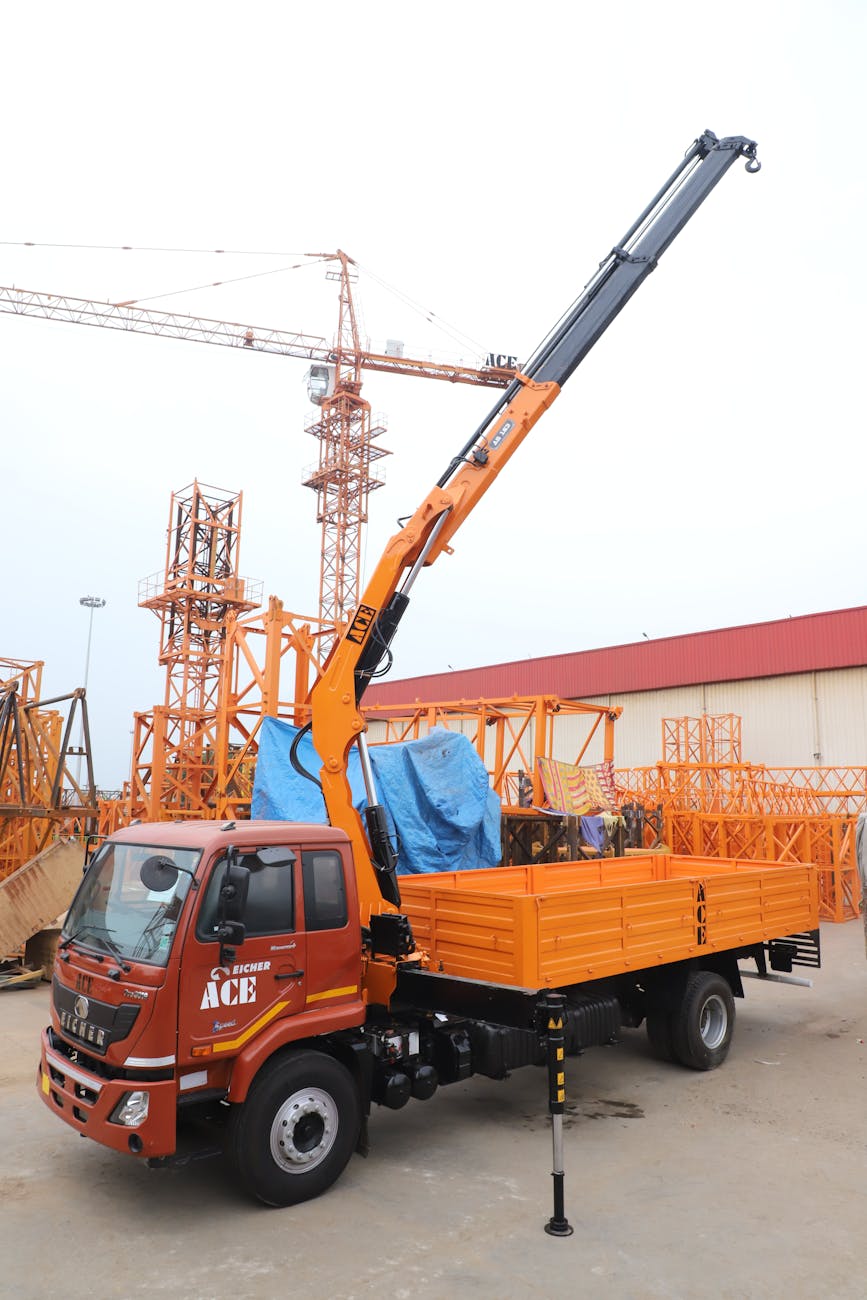
Workplaces that use lifting equipment — from hoists in hospitals to cranes on construction sites — must meet specific legal requirements to ensure the safety of both operators and those nearby. Loler inspections, conducted under the Lifting Operations and Lifting Equipment Regulations 1998, are mandatory in the UK and involve thorough, periodic checks by a competent person.
These inspections focus on identifying wear, defects, or damage in equipment such as slings, patient hoists, forklift trucks, and winches. It’s not just a matter of mechanical upkeep: LOLER also requires proper documentation, clear user instructions, and routine assessments of operational risk.
Failing to comply with LOLER can result in hefty fines and, more importantly, serious harm. In settings such as hospitals or care homes, a failed patient hoist could lead to injury or a safeguarding concern. In industrial environments, compromised lifting gear can halt operations or cause accidents.
By scheduling regular LOLER inspections, organisations ensure that they remain within the law while maintaining high standards of workplace safety. It’s a proactive step that supports both compliance and peace of mind, particularly in high-risk environments.





Let me know your thoughts! Cancel reply