Your choice of lifting straps can significantly impact the safety and effectiveness of each strength-training session. Every type of training has its habits that are permissible only when properly supported by appropriate equipment. Selecting the right pair helps a person increase grip, prevent injury, and achieve personal records. This guide covers a few things you should keep in mind when making your own decision!
Understanding Lifting Straps
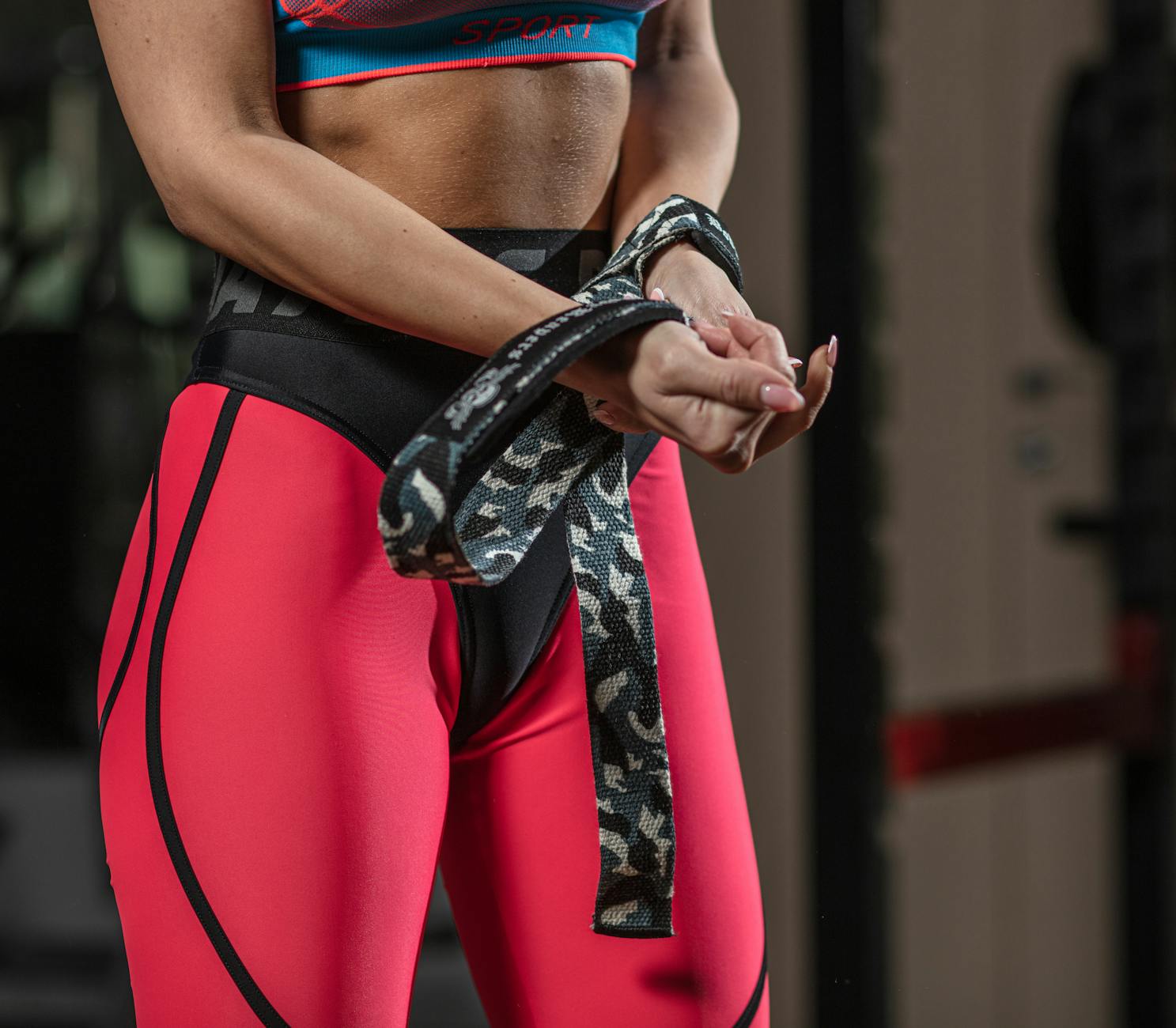
Gym enthusiasts often choose to buy lifting straps to improve grip strength during heavy lifts. Lifting straps help provide support for the grip during weightlifting. These are wrapped around the wrists and the bar itself to reduce grip fatigue and enable the lifting of heavier loads.
Many weightlifters commonly use lifting straps for exercises such as deadlifts, rows, and pull-ups. An excellent strap is a tool that can navigate you through the process of experiencing all hold types, where your grip strength and muscle power may not be so reliable.
Types of Lifting Straps
This is one type of lifting strap with a specific advantage. Small, flat cotton straps that are comfortable and no-fuss are perfect for new yogis. Double-loop the strap at the wrist and bar for the most secure fit possible. Users can adjust tightness and fit with lasso-style straps. Leather straps are more durable, while nylon ones last longer.
Training Style and Strap Choice
The strap features vary depending on the training style. Figure-eight straps are another type that powerlifters tend to enjoy because they help keep the lift secured (especially heavy deadlifts). Lasso straps also offer some versatility, making them popular among bodybuilders who may choose them for their adjustability and the wide range of exercises they accommodate.
Material Matters
Comfort, durability, and all the good stuff come from material. These are softer and cause less irritation when used over long periods. The leather is tough but may not be as soft as nylon, and it takes time to break in. The nylon is soft, flexible, and does not fray from use. The choice can be guided by how the preferred items feel or how likely they are to be worn.
Grip and Padding
Other straps come with additional padding or grip for added comfort and security. Padded straps. If you are training for many hours, don’t be afraid of chafing on your wrists. These benefit gyms. Rubberized straps with grips eliminate slippage (a big plus when you start sweating). All of these features build confidence during the heaviest lifts while allowing you to stay focused on proper form.
Length and Width Considerations
How much strap and what size are more important than most realize. Longer pieces of webbing are looped around the bar many times to increase grip. Use shorter straps for a faster setup for your high-paced routines. Broader straps alleviate wrist strain by distributing pressure across a larger surface area. Tight squeeze: if you want a direct connection to the bar, then narrower is where it’s at.
Ease of Use and Adjustability
This simplicity can significantly improve performance, especially for beginners. Straps that take seconds to attach are useful during the workout and help minimize distractions. Adjustable designs allow for personalization and accommodate various wrist sizes for your specific workout. Although they are for safety, quick-release mechanisms help lifters release quickly if necessary.
Maintenance and Longevity
With careful maintenance, lifting straps will last longer. Cotton and nylon straps can usually be machine-washed, while leather typically requires specialized cleaning products. You can prevent sudden failure while working out by checking it regularly. Replacing worn straps before they snap will allow for more productive training sessions.
Safety and Injury Prevention
Of course, wrist support is just one element of safe lifting. Straps should not be used for every set, as excess use can lead to decreased grip strength. Theoretically, we can preserve natural grip function by using a strap during some sets and removing it during others. Placing the strap correctly alleviates the risk of feeling pain or discomfort at the wrist.
Conclusion
Selecting the right lifting straps that account for their training style and personal preferences allows for progress while taking care of their health. Type, material, comfort, and safety are factors that help lifters choose the right one. The right straps provide the assurance of performance at every level, making them ideal for those who love to lose themselves in pushing limits and reaping rewards.







Let me know your thoughts! Cancel reply